
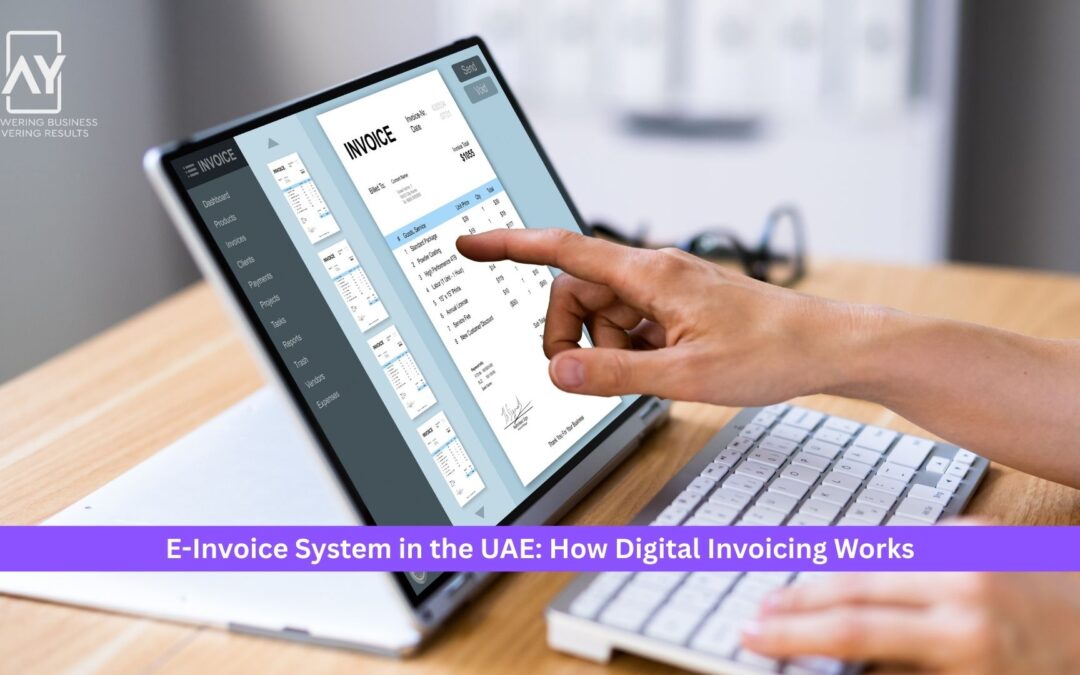
An e-invoice system forms the foundation of the UAE’s transition towards structured, digital tax compliance. The government continues to strengthen its electronic reporting framework to improve accuracy, transparency, and real-time monitoring of business transactions. In the UAE, an e-invoice system enables businesses to generate, exchange, and store invoices electronically in a standardised format that meets regulatory requirements. Understanding how this system functions helps organisations prepare their finance and IT processes effectively.
What does an E-Invoice System mean in the UAE Context?
In the UAE, an e-invoice system requires businesses to issue invoices in a structured digital format rather than traditional paper or unstructured PDFs. The system validates invoice data, ensures authenticity, and allows secure exchange between suppliers, customers, and regulatory platforms. Businesses adopting UAE E-invoicing solutions benefit from improved data accuracy and reduced manual intervention. This structured approach supports better compliance monitoring and strengthens financial controls across industries.
Key Components of this System
An effective E invoice system in the UAE integrates invoicing software, ERP platforms, data validation protocols, and secure transmission channels. The system captures mandatory invoice details, applies standard formats, and enables seamless data exchange. Businesses must also ensure secure storage and retrieval of invoice records to meet regulatory retention requirements. Providers offering UAE E-invoicing solutions help organisations configure systems that align with technical standards while maintaining operational efficiency.
Business Benefits of Implementing this New System
An e-invoice system improves operational efficiency by automating invoice creation, reducing processing time, and minimising errors. Businesses gain faster reconciliation, improved cash flow visibility, and enhanced audit readiness. In the UAE’s regulated environment, structured invoicing supports compliance and reduces exposure to penalties. Organisations using UAE E-invoicing solutions also strengthen transparency and improve collaboration between finance and operations teams.
How Does AY Chartered Accountants Support E-Invoice System Implementation?
Implementing an e-invoice system requires coordination between regulatory compliance and technology readiness. AY Chartered Accountants (AY-UAE) supports businesses in evaluating invoicing processes, assessing system compatibility, and aligning implementation with UAE requirements. With expertise in UAE E invoicing solutions, AY-UAE guides organisations through planning, system integration, and compliance alignment. Partnering with AY Chartered Accountants enables businesses to adopt digital invoicing confidently and maintain long-term regulatory compliance.