
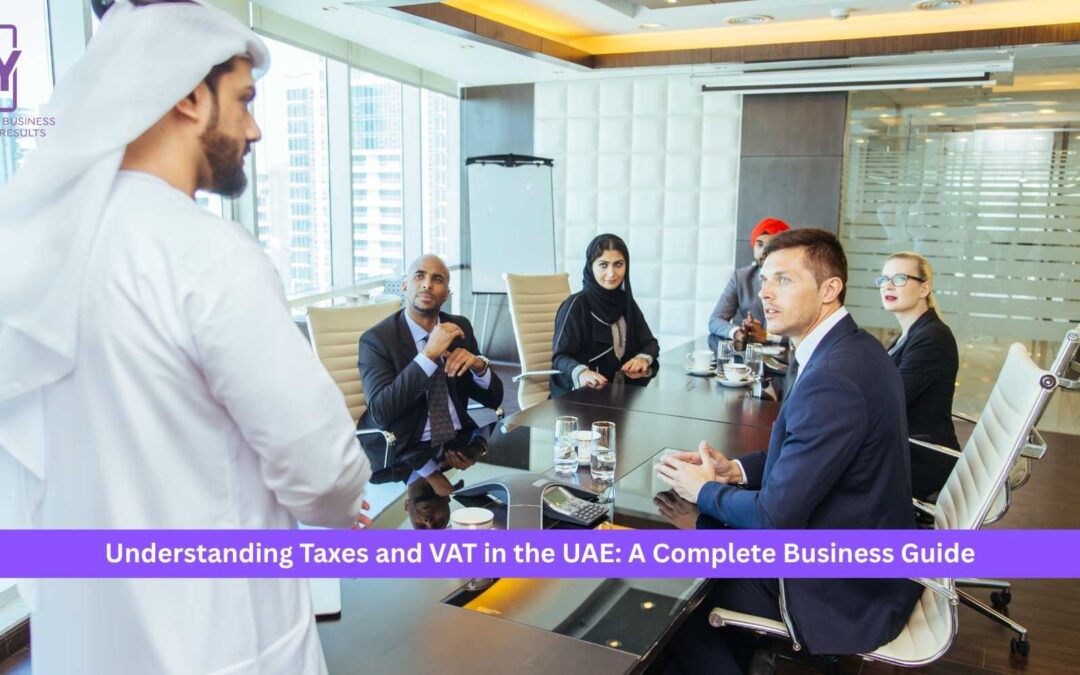
What Businesses Must Know About Taxes and VAT
Navigating taxes and VAT in the UAE can feel overwhelming, especially for businesses new to the region. Since the UAE introduced VAT at 5% in 2018, every registered business must maintain accurate records, file timely returns, and stay fully compliant with Federal Tax Authority (FTA) regulations. Ignoring these obligations carries significant financial penalties that can disrupt your operations.
How VAT Compliance Affects Your Business
Every business crossing the mandatory registration threshold must register for taxes and VAT immediately. Whether you run a startup or an established enterprise, understanding input and output tax, zero-rated supplies, and exempt categories is essential. Many businesses make costly errors when filing simply because they lack expert guidance on UAE tax regulations and corporate tax requirements in Dubai.
Key Steps to Stay Compliant with UAE Tax Regulations
Staying compliant requires more than just timely filing. Businesses must maintain proper invoices, accurately reconcile VAT returns, and prepare for potential FTA audits. Working with experienced VAT consultants in the UAE ensures your business handles taxes and VAT correctly at every stage. Proper tax planning also helps you identify legitimate savings and avoid unnecessary liabilities.
Why Choose AY Chartered Accountants
When it comes to managing taxes and VAT in the UAE, AY Chartered Accountants stands as your most reliable partner. Founded in 2015, the firm brings together FTA-certified tax agents, Chartered Accountants, and seasoned advisors who understand the UAE’s complex regulatory landscape inside out. Their proactive approach to tax compliance in the UAE means your business stays ahead of every regulatory change, never behind it. From VAT registration and return filing to corporate tax planning and FTA audit support, AY Chartered Accountants delivers end-to-end solutions tailored specifically to your business needs.
Frequently Asked Questions (FAQs)
Q1. What is the current VAT rate for taxes and VAT in the UAE?
The UAE applies a standard VAT rate of 5% on most goods and services. Certain supplies attract a zero rate or fall under exempt categories under FTA regulations.
Q2. Who needs to register for taxes and VAT in the UAE?
Any business with taxable supplies exceeding AED 375,000 annually must mandatorily register. Businesses exceeding AED 187,500 may register voluntarily.
Q3. What penalties apply for non-compliance with taxes and VAT?
The FTA imposes strict penalties for late registration, incorrect filing, and failure to maintain proper records. Fines range from AED 500 to AED 50,000 depending on the nature of the violation.
Q4. How do taxes and VAT apply to free zone businesses in the UAE?
Free zone businesses are not automatically exempt from taxes and VAT obligations. Designated zones have specific rules, and businesses must assess their VAT position carefully with qualified consultants.
Q5. Can a professional firm help manage taxes and VAT filing in the UAE?
Absolutely. Engaging FTA-certified VAT consultants in the UAE, such as AY Chartered Accountants, ensures accurate filing, timely submissions, and full regulatory compliance throughout the year.